
How LCD Modules Are Packed, Protected and Shipped
Display modules are damaged in three ways in transit: static, pressure on the glass, and moisture. Our standard export pack is anti-static bag + foam tray + export carton, shipped EXW, FOB Shenzhen, CIF. The part that matters most is the least visible: an anti-static bag and ESD handling protect the driver IC from damage that does not show up until the module is in your product.
Written by the Junxian applications engineering team. Figures quoted for “our models” are calculated from the 103 models on this site that carry a full parameter set, so they change when the catalogue changes.
What our standard export pack is
| Item | Standard |
|---|---|
| Inner protection | Anti-static bag per module or per stack, sealed |
| Cushioning | Foam tray or foam-lined partition, sized to the module outline |
| Outer carton | Export carton, double wall, labelled with model, quantity and order number |
| ESD handling | Anti-static packing throughout; modules handled at ESD-protected workstations |
| Moisture | Desiccant on request for sea freight and for humid destinations |
| Labelling | Model number, quantity, date and order reference - tell us if your goods-in system needs a specific label format or barcode |
| Incoterms | EXW, FOB Shenzhen, CIF |
| Modes | DHL / FedEx / UPS express, air freight, sea freight |
| Origin | Shenzhen, China |
Why ESD protection matters more than the carton
A display module is a semiconductor bonded to glass. Electrostatic discharge does not usually destroy it outright - it degrades the driver IC, and the module then fails days or weeks later in your customer's product, which is far more expensive than a unit that arrives dead. That is why modules are bagged anti-static and handled at ESD-protected workstations, and why you should keep them bagged until they reach your own ESD-controlled assembly area. Unpacking a tray of modules on an ordinary bench to count them is a real and common way to lose yield.
Pressure, not impact, is what breaks glass
Modules survive normal handling shocks. What they do not survive is point pressure on the glass surface - a strap tightened over a carton, a heavy box stacked on a partly empty one, or a tray that lets modules sit on their own FPC. Foam trays sized to the outline exist to spread load, which is why we do not substitute loose fill to save volume. If your warehouse stacks pallets high, tell us and we will specify a carton that takes it.
Moisture and long sea legs
Sea freight means weeks in a container that cycles between hot and cold, and condensation forms inside the packaging rather than outside it. Desiccant is available on request and is worth taking for sea shipments and humid destinations. If the modules will sit in your warehouse for months before use, say so - it changes the packing recommendation more than the transport mode does.
What to check when the shipment arrives
Five minutes of incoming inspection saves a lot of argument later. Check the outer carton for crush and puncture before opening. Check that the anti-static bags are sealed and unbroken. Count against the packing list and check the model number on the label against your order, not against your memory. Power up a sample from the batch at the ESD-protected bench and compare it with the approved golden sample. And keep the packaging until the batch is accepted - damage claims without the packaging are difficult for everyone.
Incoterms, modes and what each is good for
We quote EXW, FOB Shenzhen, CIF. EXW suits buyers who already have a forwarder in China and want control of the freight. FOB Shenzhen is what most buyers take: we handle everything up to the vessel or the aircraft. CIF suits buyers who want a single landed number and no freight administration. Modes: DHL / FedEx / UPS express, air freight, sea freight. Express for samples and urgent production, air for time-critical volume, sea for scheduled programmes where the lead time is planned rather than reacted to.
Labelling and your goods-in system
Standard labels carry model number, quantity, date and order reference. If your goods-in process needs a specific barcode format, label position or a customer part number on the carton, tell us at order stage - it costs nothing to do at packing time and is genuinely annoying to fix afterwards in your own warehouse.
Models shipping in this packing today
Published models that illustrate the point above - full specifications on each page.
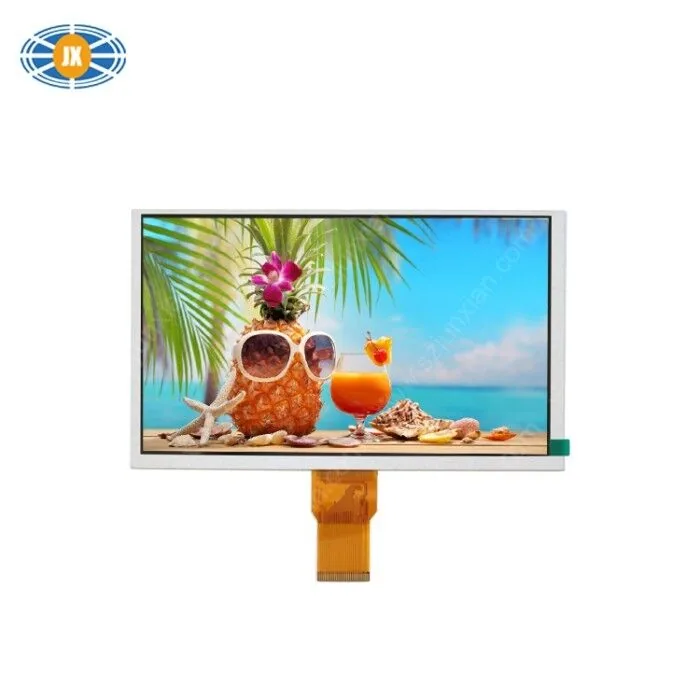
9 Inch TFT Display 1024x600 Touch Screen LCD Monitor For Industrial /
JM-PT144-00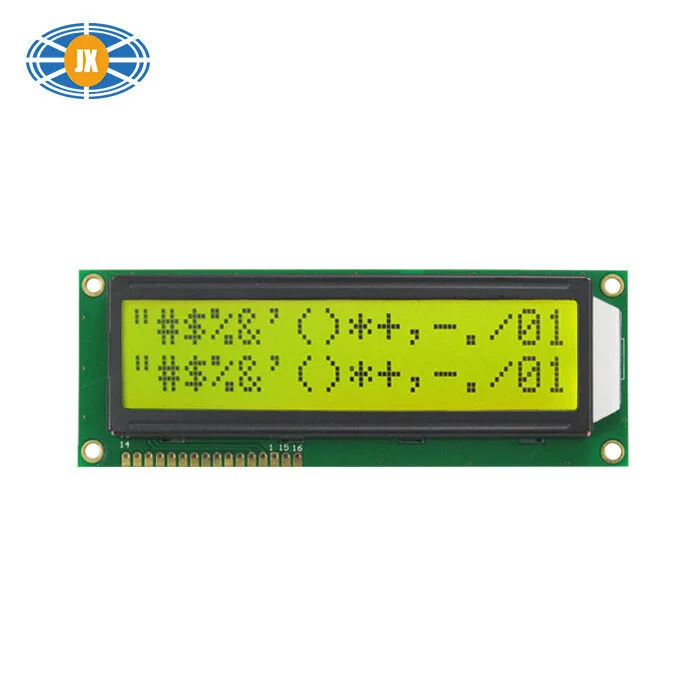
LCD 16x2 Alphanumeric Display 16 PIN Flexible LCD Modules With Multi C
JM1602M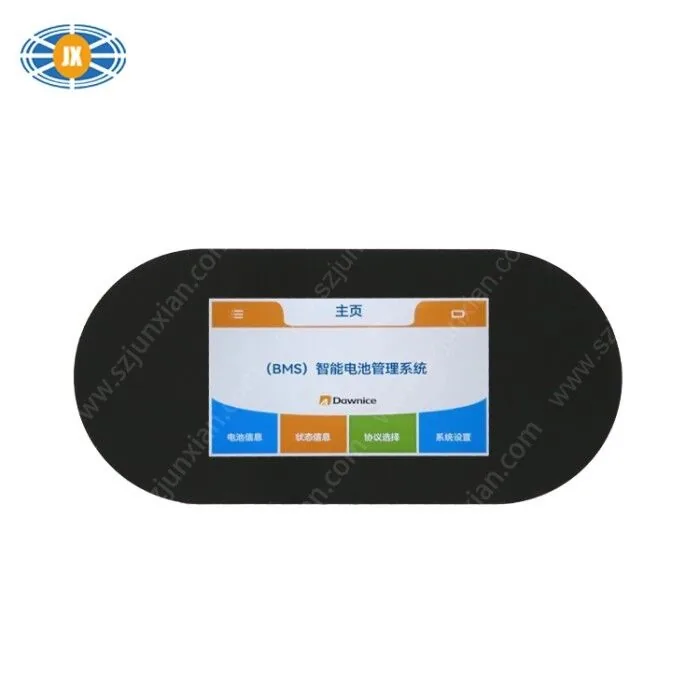
4.3 Inch BMS Serial Port Capacitive LCD Touch Screen 5V Full View Clea
JM-LH018-00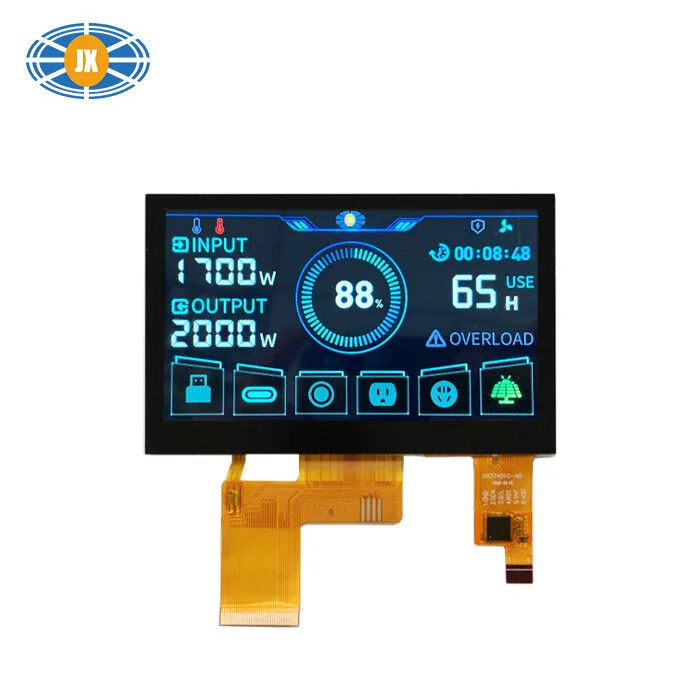
Customized TFT LCD Touch Screen 8 Bit RGB Interface 4.3 inch Capacitiv
JM-PT105-01Related guides
LCD Module MOQ, Lead Time and Sample Policy
Samples 5 pcs. Catalogue models 100 pcs. Fully custom tooled glass 1,000 pcs. Production lead time 10-20 days, samples 10-15 days....
How a Custom LCD Module Is Developed, Step by Step
Most 'custom' display projects are not custom glass at all - they are an existing panel with a different FPC, connector, backlight...
How to Choose an LCD Module in Seven Decisions
Specifying a display is seven decisions, and their order matters more than any single one of them. Size and interface come first b...
Questions engineers ask us about this
How are LCD modules packed for export?
Anti-static bag + foam tray + export carton. Anti-static bag per module or stack, foam tray sized to the module outline, double-wall export carton labelled with model, quantity and order reference. Desiccant on request for sea freight.
Do you ship with ESD protection?
Yes - anti-static packing throughout and ESD-protected handling in production. Keep the modules bagged until they reach your own ESD-controlled area; static damage usually shows up later rather than on arrival.
Which Incoterms do you offer?
EXW, FOB Shenzhen, CIF. Most buyers take FOB Shenzhen; EXW suits buyers with their own forwarder, CIF suits buyers who want one landed figure.
Can you ship by sea for large orders?
Yes - DHL / FedEx / UPS express, air freight, sea freight. Sea suits scheduled programmes; ask for desiccant on the packing and plan the lead time rather than reacting to it.
Can you use our labels or carton markings?
Yes, if you tell us at order stage. Customer part numbers, barcode formats and label positions are all straightforward at packing time.
Need a quote or a datasheet?
Send us size, resolution, interface and annual quantity. Our engineers reply within one working day. Sample MOQ 5 pcs, lead time 10-20 days.